
Thyroid Dysfunction & Your Cognitive Health
Thyroid dysfunction affects millions of adults worldwide and is one of the most commonly overlooked drivers of fatigue, brain fog, mood changes, and metabolic instability. The thyroid gland, a small butterfly-shaped organ at the base of the neck, plays an outsized role in regulating energy production, temperature control, heart rate, metabolism, and brain function. When thyroid hormone levels are too low, a condition known as hypothyroidism, the entire body slows down. When levels are too high, known as hyperthyroidism, the system can feel overstimulated and unstable.
While many people associate thyroid dysfunction with weight changes or fatigue, far fewer recognize its impact on hearing, tinnitus, and long-term cognitive health. Yet the thyroid and the brain are deeply interconnected. Thyroid hormones regulate how neurons produce energy, maintain connections, and communicate efficiently. Even subtle imbalances can influence attention, memory, mood, and our ability to follow a conversation in the presence of background noise.
As a neuroscientist and clinical audiologist, I frequently see patients who describe persistent brain fog, difficulty concentrating, sensitivity to noise, or new-onset tinnitus in the setting of thyroid dysfunction. These symptoms are often attributed to stress or aging. In reality, they may reflect the neurologic effects of disrupted thyroid signaling.
This is why all Excellence In Audiology member clinics operate under the principle that hearing care is preventive medicine. Addressing hearing loss and tinnitus in the setting of thyroid dysfunction is medically meaningful care that reduces neurologic strain, preserves cognitive reserve, and may reduce long-term dementia risk.
In this whitepaper, I will explain how thyroid dysfunction, particularly hypothyroidism, impacts hearing, tinnitus, and cognitive health, and why early identification and treatment matter. This publication is part of our 12 Health Factors series, aligned with the Amazon best-selling book Preventing Decline: Advances in the Medical Treatment of Hearing Loss and Tinnitus. Together, these resources are designed to empower adults to protect their hearing, their brain, and their future.
Sincerely,
Dr. Keith N. Darrow, Ph.D., CCC-A
Thyroid Dysfunction: An Introduction to the Condition
The thyroid gland produces hormones that regulate the body’s metabolic speed. These hormones influence nearly every cell in the body, including those in the brain and inner ear. When thyroid hormone levels fall too low, as in hypothyroidism, the body’s systems slow down. Energy production decreases. Circulation may become less efficient. Mental processing can feel sluggish. Many patients describe it simply as feeling “not like themselves.”
Hypothyroidism is far more common than hyperthyroidism and is especially prevalent in women. It may develop gradually, often going unnoticed for months or years. Common symptoms include fatigue, weight gain, cold intolerance, dry skin, slowed thinking, low mood, and memory complaints. Many individuals report difficulty focusing, increased forgetfulness, and decreased mental clarity long before formal diagnosis.
Hyperthyroidism presents differently. When thyroid hormone levels are too high, the body can feel overstimulated. Heart rate increases. Anxiety rises. Sleep may be disrupted. Irritability and restlessness become common. Although energy may feel elevated initially, sustained hyperthyroidism can destabilize attention, impair sleep, and strain cognitive function.
Both conditions influence the brain. Thyroid hormones are essential for maintaining synaptic activity, supporting white matter integrity, and regulating neurotransmitter systems involved in mood and cognition. When hormone levels are out of balance, neural communication becomes less efficient.
The hearing system is particularly sensitive to metabolic and circulatory changes. The inner ear requires stable blood flow and consistent energy.
The thyroid gland produces hormones that regulate the body’s metabolic speed. These hormones influence nearly every cell in the body, including those in the brain and inner ear. When thyroid hormone levels fall too low, as in hypothyroidism, the body’s systems slow down. Energy production decreases. Circulation may become less efficient. Mental processing can feel sluggish. Many patients describe it simply as feeling “not like themselves.”
Hypothyroidism is far more common than hyperthyroidism and is especially prevalent in women. It may develop gradually, often going unnoticed for months or years. Common symptoms include fatigue, weight gain, cold intolerance, dry skin, slowed thinking, low mood, and memory complaints. Many individuals report difficulty focusing, increased forgetfulness, and decreased mental clarity long before formal diagnosis.
Hyperthyroidism presents differently. When thyroid hormone levels are too high, the body can feel overstimulated. Heart rate increases. Anxiety rises. Sleep may be disrupted. Irritability and restlessness become common. Although energy may feel elevated initially, sustained hyperthyroidism can destabilize attention, impair sleep, and strain cognitive function.
Both conditions influence the brain. Thyroid hormones are essential for maintaining synaptic activity, supporting white matter integrity, and regulating neurotransmitter systems involved in mood and cognition. When hormone levels are out of balance, neural communication becomes less efficient.
The hearing system is particularly sensitive to metabolic and circulatory changes. The inner ear requires stable blood flow and consistent energy supply. Thyroid dysfunction can influence vascular tone, fluid balance, and neural timing, all of which are critical for hearing clarity.
In hypothyroidism, slowed metabolism and altered circulation may reduce cochlear efficiency. Patients often describe muffled hearing, difficulty understanding speech in background noise, or increased listening effort. In hyperthyroidism, overstimulation of the nervous system may contribute to sound sensitivity or heightened awareness of internal noise.
Tinnitus is also commonly reported in both conditions. In hypothyroidism, reduced neural efficiency and altered fluid balance may contribute to internal sound perception. In hyperthyroidism, heightened sympathetic activity and sleep disruption may amplify tinnitus intensity and distress.
These changes are often subtle at first. Many individuals attribute them to aging, stress, or poor sleep. However, thyroid dysfunction represents a systemic condition that directly influences the ear–brain connection.

A Patient's Perspective
For individuals living with thyroid dysfunction, daily life often feels subtly but persistently harder. In hypothyroidism especially, the most common description I hear from patients is brain fog. Thoughts feel slower. Words do not come as easily. Concentration fades more quickly. Tasks that once felt simple now require effort.
Now layer hearing strain on top of that.
Imagine attending a meeting or sitting at dinner with friends. Multiple voices overlap. Background noise competes for attention. The brain must sort, filter, and interpret sound in real time. In a metabolically slowed system, this becomes exhausting. Words may be heard but not fully processed. Details are missed. By the end of the interaction, mental fatigue sets in.
This experience is not laziness. It is not disinterest. It reflects increased cognitive load.
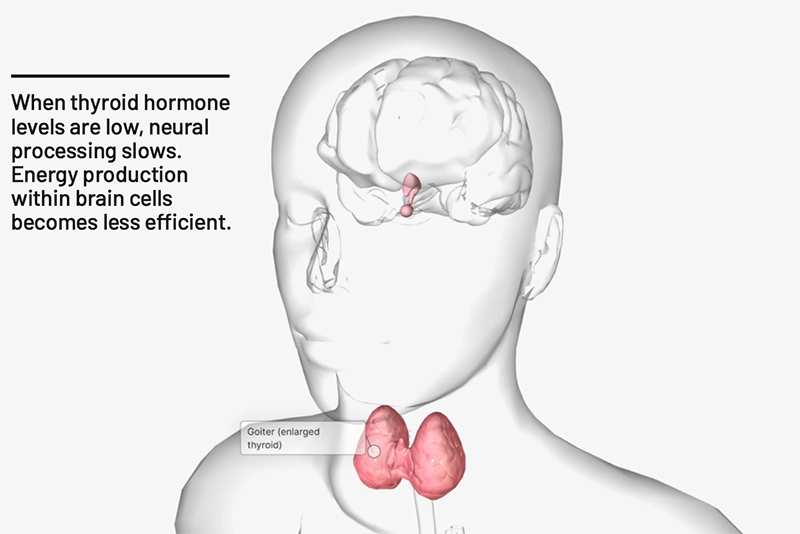
When thyroid hormone levels are low, neural processing slows. Energy production within brain cells becomes less efficient. If hearing clarity is also reduced, the brain must recruit additional attention and working memory just to keep up with conversation. The result is listening fatigue layered onto metabolic fatigue.
Here is the critical point: untreated hearing loss forces the brain to work harder than it should. Every conversation becomes a problem to solve. Every social interaction requires extra effort. In a brain already affected by hormonal imbalance, this additional strain is not trivial. It compounds the fog. It magnifies the fatigue. It accelerates frustration.
Many individuals begin blaming themselves. They assume they are aging poorly. They worry that their memory is failing. They may even fear early dementia. In reality, part of what they are experiencing may be entirely modifiable.
When hearing loss is treated appropriately, the brain receives clearer, more stable input. It no longer needs to guess, fill in gaps, or strain to decode speech. Cognitive resources are freed. Patients frequently report that once their hearing is addressed, conversations feel easier, mental clarity improves, and social interaction becomes less draining. The fog does not disappear overnight, but the burden lightens.
In hyperthyroidism, the experience may feel different but equally disruptive. Attention may feel scattered. Noise may seem intrusive. Sleep may be poor. Tinnitus may intensify during periods of anxiety or restlessness. Even when hearing thresholds appear normal, patients may describe feeling overwhelmed by sound or unable to focus in busy environments.
Treating tinnitus and stabilizing hearing can reduce that sensory overload and help calm an already overstimulated nervous system.
Over time, many individuals begin withdrawing from social situations. Restaurants feel draining. Group conversations are avoided. Phone calls become frustrating. Loved ones may interpret these changes as mood problems or early memory decline, when in reality the brain is struggling with hormonal instability and increased sensory demand.
Sleep disturbance further compounds the issue. In hypothyroidism, excessive fatigue may coexist with unrefreshing sleep. In hyperthyroidism, insomnia is common. Poor sleep reduces cognitive resilience, increases tinnitus perception, and amplifies overall neurologic strain.
The Connection Between Thyroid Dysfunction, Hearing Loss, and Cognitive Decline
Thyroid hormones are essential for brain health. They regulate energy metabolism within neurons, support myelin integrity, and influence neurotransmitters involved in mood and memory. When hormone levels fall outside the optimal range, neural efficiency declines.
In hypothyroidism, slowed metabolic activity reduces processing speed and mental clarity. Memory retrieval may feel less sharp. Executive function may weaken. Many individuals describe feeling as though their brain is “moving through mud.”
When hearing clarity is reduced at the same time, the brain must work harder to interpret sound. This increased demand is known as cognitive load. Attention and working memory are diverted toward decoding speech rather than forming memories or planning tasks.
While the brain can compensate in the short term, chronic compensation is costly. Over time, persistent cognitive load may deplete cognitive reserve.
Cognitive reserve acts as a protective buffer against aging and neurologic disease. When reserve is reduced, vulnerability to decline increases.
Hyperthyroidism introduces a different but equally concerning strain. Excess thyroid hormone may increase inflammation, disrupt sleep, and heighten stress hormone activity. Chronic overstimulation can destabilize neural networks and impair sustained attention.
Research increasingly shows that both overt and subclinical thyroid dysfunction are associated with an increased risk of cognitive impairment. When hearing loss or tinnitus is layered onto this hormonal imbalance, neurologic burden increases further.
Inflammation, metabolic inefficiency, sensory deprivation, and chronic cognitive load converge. Over years, this compounded strain may influence how the brain ages.
Tinnitus deserves special attention in thyroid dysfunction. Hormonal instability can influence fluid balance, vascular tone, and neural excitability within the hearing pathways. Persistent tinnitus keeps the brain in a state of monitoring and hyperawareness.
Attention is repeatedly pulled inward. Emotional centers may remain activated. Sleep disruption may worsen.
For many adults, difficulty concentrating, subtle hearing changes, and persistent ringing in the ears appear years before measurable cognitive impairment. These symptoms should not be dismissed as normal aging. They may be early warning signs that the brain is under metabolic and hormonal stress.
Thyroid Dysfunction and Dementia Risk
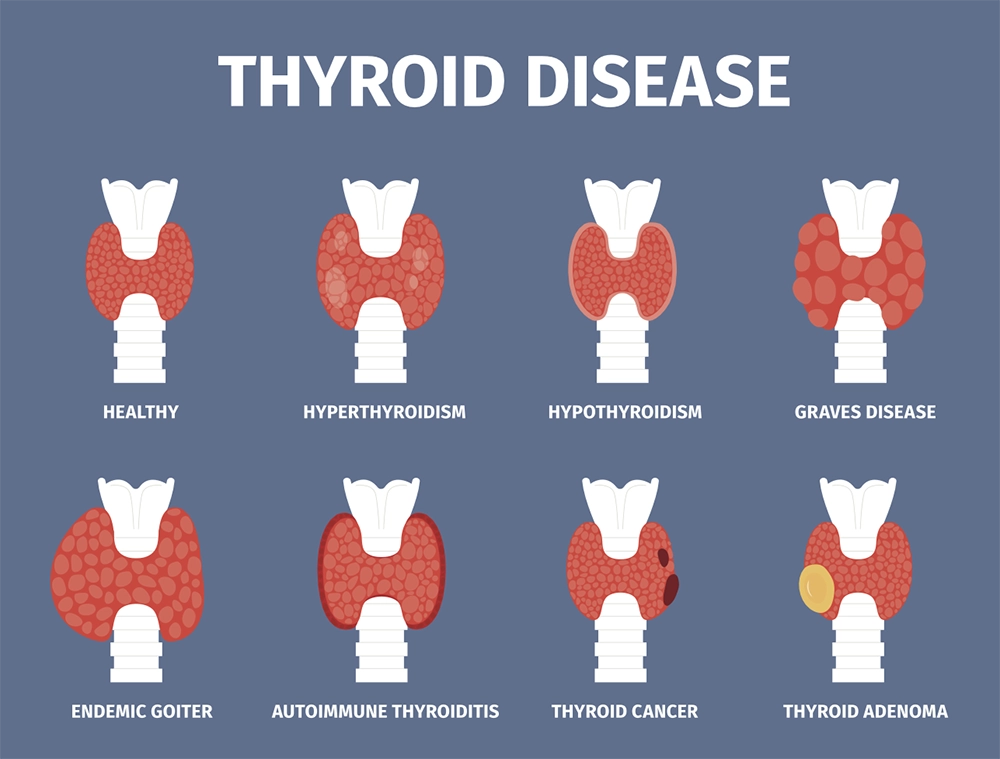
Thyroid dysfunction can influence dementia risk in several important ways. When thyroid hormone levels are too low, as in hypothyroidism, the brain may not receive the steady energy and circulation it needs to function at its best. Over time, this can affect mental clarity, memory, and overall brain resilience.
When thyroid hormone levels are too high, as in hyperthyroidism, the body may experience increased stress, inflammation, and disrupted sleep. Poor sleep alone can have a meaningful impact on attention, memory, and long-term brain health.
Both low and high thyroid hormone levels can affect areas of the brain that are important for learning and memory. When these areas are placed under prolonged strain, cognitive symptoms such as forgetfulness, slower thinking, or reduced focus may begin to appear. While many of these changes improve with proper thyroid treatment, prolonged imbalance may leave the brain more vulnerable over time.
Over time, even subtle hormonal instability can influence how the brain ages. Memory may feel less reliable. Processing speed may slow. Mental stamina may decline. These changes do not mean dementia is inevitable, but they do indicate that the brain may be operating with less reserve than it once had.
For some individuals, cognitive symptoms improve once thyroid levels are stabilized. When hormone balance is restored, mental clarity often improves and energy returns. For others, especially when dysfunction has persisted for years before diagnosis or treatment, some degree of cognitive vulnerability may remain. The longer the brain has been under metabolic strain, the more important it becomes to reduce additional sources of stress.
Reduced sensory input compounds this risk. When hearing clarity declines, social engagement often decreases. Conversations become tiring. Activities are avoided. Cognitive stimulation is reduced. Isolation and depression may follow, each independently associated with dementia risk.
The brain thrives on engagement, challenge, and communication. When those decrease, resilience weakens.
Addressing hearing loss and tinnitus in the setting of thyroid dysfunction therefore represents a meaningful opportunity to reduce cognitive burden. By stabilizing hearing, we decrease the workload placed on metabolically vulnerable neural networks. We help preserve engagement, communication, and mental stimulation.
In doing so, we actively support long-term brain health rather than passively hoping hormone correction alone will be enough.

Hope and Action: Protecting Hearing and Brain Health in Thyroid Dysfunction
The encouraging reality is that thyroid dysfunction, hearing loss, and tinnitus are modifiable risk factors.
Optimizing thyroid hormone levels is foundational. Proper diagnosis, medication management, and regular monitoring are essential steps toward restoring metabolic balance. But treatment should not stop there. Correcting lab values alone does not automatically eliminate the cognitive strain created by hearing difficulty or persistent tinnitus.
Treating hearing loss is not simply about improving communication. It reduces chronic neurologic strain and preserves cognitive reserve. Prescription hearing treatment stabilizes hearing and allows the brain to process sound more efficiently. Instead of constantly guessing, filling in gaps, or straining to follow conversation, the brain receives clear and consistent signals.
Many patients report clearer thinking, improved focus, greater confidence, and less fatigue once hearing strain is reduced. Social interaction becomes easier. Engagement increases. Mental energy is no longer consumed by simply trying to keep up.
The Aging and Cognitive Health Evaluation in Elders study demonstrated that treating hearing loss can significantly slow cognitive decline in at-risk adults, including adults living with thyroid dysfunction. Subsequent analyses suggest that prescription hearing treatment may reduce dementia risk by as much as 61 percent.
These findings reinforce an important shift in perspective. Hearing care is not elective. Hearing care is brain care.
Tinnitus management is equally important. Effective treatment reduces distress, improves sleep, and decreases hypervigilance. When the brain no longer needs to constantly monitor internal noise, cognitive resources are freed for memory, focus, and emotional regulation.
Improved sleep alone can dramatically influence mental clarity and mood stability in both hypothyroidism and hyperthyroidism.
From a clinical perspective, individuals with thyroid dysfunction should undergo comprehensive hearing and tinnitus evaluation, especially if brain fog, listening fatigue, concentration difficulties, or increased sensitivity to noise are present.
Addressing these issues proactively does more than improve daily comfort. It actively protects long-term brain health.
When thyroid levels are optimized and hearing health are addressed together, the brain is given the best possible environment to function clearly, efficiently, and resiliently over time.

Hearing, Thyroid Health, and Long-Term Brain Protection
Thyroid dysfunction may begin as a hormonal imbalance, but its influence extends to the ears and the brain.
Untreated hearing difficulty and tinnitus contribute to social withdrawal, stress, and reduced cognitive stimulation. Treating these conditions interrupts that cycle. Individuals remain socially engaged, mentally active, and neurologically supported.
Protecting the brain in the setting of thyroid dysfunction requires a comprehensive approach. Optimizing hormone levels, improving sleep, managing cardiovascular health, maintaining physical activity, and addressing hearing loss and tinnitus together form an integrated strategy for preserving cognitive resilience.
The message is clear. Treating hearing loss and tinnitus in individuals with thyroid dysfunction is not just about the ears. It is about protecting the brain, preserving cognition, and enhancing quality of life.
Early recognition and decisive action offer the greatest opportunity for meaningful long-term benefit.

Research continues to show strong connections between Thyroid dysfunction, hearing loss, tinnitus, and long-term brain health. Addressing hearing issues early may help reduce strain on the brain and support better cognitive function over time.
Our team is here to help you understand your hearing and find solutions that support your overall health.